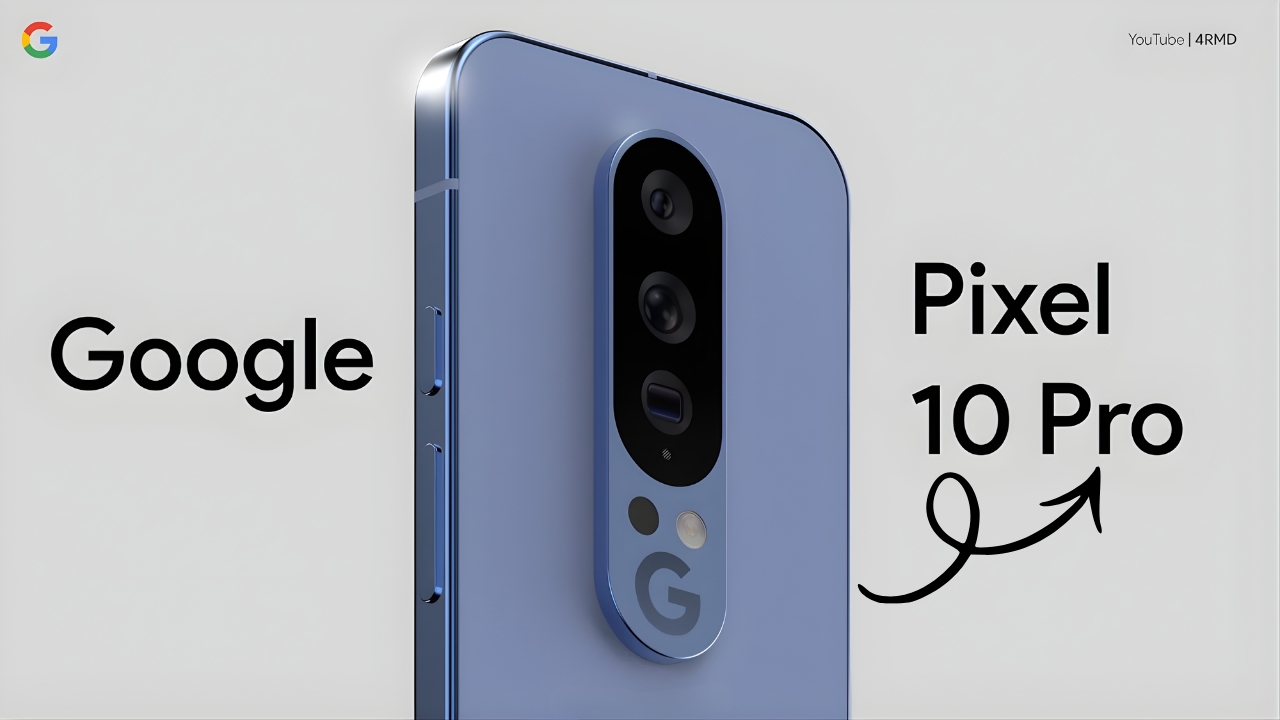
The Google Pixel 10 Pro is expected to represent the next major step in Google’s flagship smartphone lineup. Over the years, the Pixel series has built a strong identity by focusing on intelligent software, powerful photography tools, and a clean Android experience. Instead of relying only on raw hardware power, Google has often prioritized artificial intelligence and machine learning to improve everyday smartphone tasks.
The upcoming Pixel 10 Pro appears ready to push this philosophy even further. With the introduction of the new Tensor G5 processor and deeper AI integration across the system, the device aims to make the smartphone experience smarter and more responsive.
Designed for users who want cutting-edge technology combined with simple and intuitive software, the Pixel 10 Pro could become one of the most interesting flagship smartphones of 2026. From photography improvements to enhanced voice recognition and smart productivity features, the phone is expected to deliver a modern mobile experience built around artificial intelligence.
Premium Design and High-Quality Display
The Pixel 10 Pro is rumored to feature a sleek and refined design that reflects Google’s focus on minimalistic aesthetics. Pixel devices have traditionally offered a clean and distinctive look, and the next generation model is expected to continue that design approach.
The smartphone may include a glass back panel combined with a durable aluminum frame. This combination provides both strength and elegance while keeping the device comfortable to hold. The camera module is expected to maintain the signature Pixel design language while introducing subtle refinements.
A major highlight of the phone will likely be its large 6.8-inch LTPO OLED display. This display technology allows the screen to deliver vibrant colors, deep blacks, and impressive contrast levels. Whether users are watching movies, editing photos, or browsing social media, the screen is expected to provide a highly immersive viewing experience.
The display may also feature sharp 2K resolution, ensuring crisp text and detailed visuals. Combined with thin bezels, the screen could create a modern and expansive viewing area that enhances both productivity and entertainment.
Adaptive Refresh Rate for Smooth Performance
Another key feature of the Pixel 10 Pro’s display could be its adaptive refresh rate technology. Reports suggest the device may support a refresh rate ranging from 1Hz to 144Hz.

This dynamic refresh rate system adjusts automatically depending on the task being performed. When reading static content such as articles or emails, the refresh rate lowers to conserve battery power. During scrolling, gaming, or video playback, the refresh rate increases to deliver smoother animations and more responsive performance.
Peak brightness levels may reach around 3000 nits, making the display easily visible even in bright outdoor conditions. This ensures that users can comfortably view content in various lighting environments.
Tensor G5 Processor and AI-Driven Performance
At the heart of the Pixel 10 Pro is expected to be the Tensor G5 processor. Google designs the Tensor chips specifically to support artificial intelligence and machine learning tasks directly on the device.
Unlike traditional processors that focus primarily on raw speed, the Tensor architecture prioritizes smart capabilities. This allows the phone to process voice commands more quickly, translate languages in real time, and enhance images using advanced computational photography techniques.
The device may include up to 16GB of RAM, enabling smooth multitasking between multiple applications. Users will likely be able to run demanding apps, games, and productivity tools without noticeable slowdowns.
Storage options could extend up to 1TB, providing plenty of space for high-resolution photos, videos, and applications. With these hardware capabilities, the Pixel 10 Pro should deliver both strong performance and intelligent system optimization.
Advanced Pixel Camera Experience
Photography has always been one of the strongest aspects of the Pixel lineup, and the Pixel 10 Pro is expected to continue that tradition with an upgraded camera system.
The phone may feature a 50MP primary camera equipped with optical image stabilization. This sensor is designed to capture sharp images with accurate colors, even in challenging lighting conditions.

Alongside the main sensor, the device could include a 48MP ultra-wide camera that allows users to capture expansive landscapes and large group photos. A 48MP telephoto lens with up to 10x optical zoom may also be included, making it possible to photograph distant subjects without losing image quality.
The front camera is expected to offer around 32MP resolution, enabling clear selfies and high-quality video calls.
Google’s software remains a key advantage in photography. Features such as improved Night Sight, AI portrait processing, and advanced editing tools help produce impressive results without requiring manual adjustments.
Strong Battery and Charging Options
To support its powerful hardware and high-quality display, the Pixel 10 Pro is expected to include a 5200mAh battery. This capacity should allow the device to comfortably last through a full day of typical usage.
Users who spend time browsing the web, capturing photos, streaming videos, and using social media should benefit from consistent battery endurance.
Charging technology may also see improvements. The device could support up to 65W wired fast charging, allowing the battery to recharge much more quickly than previous Pixel models.
Wireless charging may reach speeds of around 45W, offering added convenience for users who prefer cable-free charging. Reverse wireless charging could also allow the phone to power accessories such as wireless earbuds or smartwatches.
Android 15 and Smart Software Features
The Pixel 10 Pro is expected to run on Android 15, bringing new features and improved system performance. Google’s focus on artificial intelligence means many tasks could become easier and more efficient.

AI-powered call screening may help filter unwanted calls automatically. Live Translate could allow real-time translation during conversations, making communication across languages much simpler.
Generative AI tools may also assist users with writing messages, summarizing content, and organizing information across apps. These features aim to make the smartphone feel more like a helpful assistant rather than just a device.
Additional connectivity features such as Wi-Fi 7, Bluetooth 5.4, and satellite emergency communication may further enhance the phone’s capabilities.
Final Verdict
The Google Pixel 10 Pro is shaping up to be one of the most advanced smartphones expected in 2026. With its powerful Tensor G5 processor, impressive OLED display, and intelligent software features, the device appears ready to deliver a unique flagship experience.
